How Do NDIS Providers Assist With Home Modifications for Independent Living?
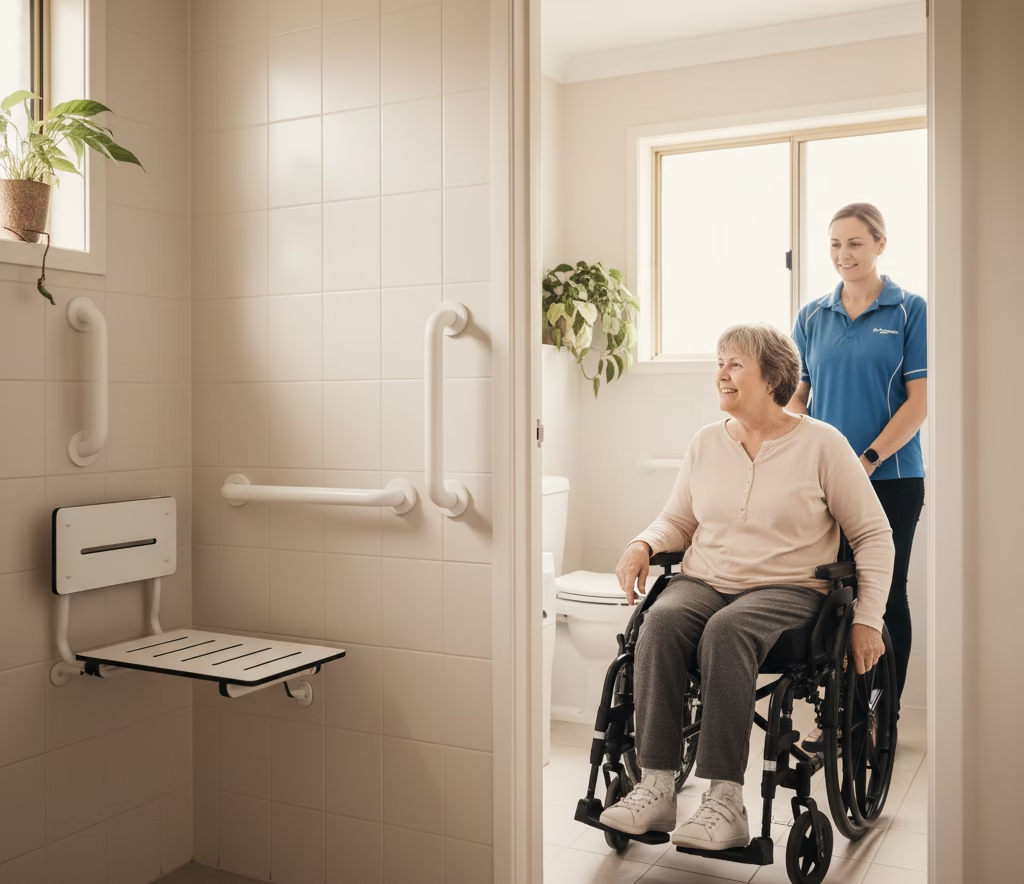
NDIS home modifications help participants live more safely and independently by adapting their home environment to better support daily activities.
Independent living often depends on more than daily support. For many NDIS participants, the home itself needs to change to support safety, mobility, and independence.
When people ask how NDIS providers assist with home modifications for independent living, they usually want to understand what support is available, who coordinates the process, and how the NDIS approves and delivers modifications.
This guide explains the role NDIS providers play in home modifications, how the process works, and what participants should expect at each stage.
What Are Home Modifications Under the NDIS?
Home modifications are physical changes to a participant’s home that reduce barriers and improve safety, access, and independence.
Under the NDIS, these can range from minor adjustments to more complex structural changes, depending on the participant’s needs.
Common examples include:
- Grab rails and handrails
- Bathroom modifications (showers, toilets, non-slip flooring)
- Ramps and step-free access
- Widened doorways
- Kitchen or laundry adjustments
The National Disability Insurance Agency funds home modifications only when they meet the reasonable and necessary criteria and directly relate to the participant’s disability.
How NDIS Providers Support Home Modifications
NDIS providers do not approve home modifications themselves, but they play a key role in supporting, coordinating, and implementing the process.
Supporting Assessment and Evidence
Most home modifications require an assessment by a qualified occupational therapist (OT). NDIS providers often:
- Help arrange OT assessments
- Support participants to explain daily challenges
- Provide information about how the home is currently used
- Assist with gathering supporting evidence
Clear evidence helps the NDIA understand why a modification is needed and how it supports independent living.
Coordinating the Modification Process
Once funding is approved, providers may assist by:
- Coordinating qualified builders or tradespeople
- Ensuring modifications meet safety and accessibility standards
- Supporting communication between participants, therapists, and contractors
- Minimising disruption during the modification process
Good coordination helps ensure modifications are delivered correctly and on time.
Types of Home Modifications NDIS Providers Assist With
Minor Home Modifications
Minor modifications are usually lower cost and quicker to implement. These may include:
- Grab rails
- Lever taps
- Minor threshold adjustments
- Safety rails
These are often approved more quickly and can significantly improve day-to-day independence.
Complex Home Modifications
Complex modifications involve structural changes and require detailed assessment and approval. Examples include:
- Bathroom redesigns
- Structural ramps
- Extensive accessibility changes
Providers assist by supporting planning, timelines, and coordination once funding is in place.
How Home Modifications Support Independent Living
Home modifications help participants:
- Move safely around their home
- Reduce the risk of injury
- Complete daily tasks more independently
- Rely less on physical assistance
- Maintain dignity and privacy
When combined with the right supports, modifications can make independent living safer and more sustainable.
The Role of Registered NDIS Providers Like LYFIT
As a registered NDIS provider, LYFIT supports participants by focusing on how home environments, daily supports, and individual goals work together.
Rather than treating home modifications as standalone changes, LYFIT considers:
- How modifications support daily routines
- How supports can adapt once changes are in place
- Long-term safety and independence
This integrated approach helps participants get the most value from their NDIS plan.
Common Questions About NDIS Home Modifications
Many participants ask:
- Who decides what modifications are approved?
- How long does the process take?
- Can I modify a rental property?
- What happens if my needs change later?
The answers depend on individual circumstances, evidence, and housing arrangements. Working with experienced providers and coordinators helps clarify expectations early.
Final Thoughts on NDIS Home Modifications and Independent Living
Understanding how NDIS providers assist with home modifications for independent living helps participants plan realistically and avoid delays.
While the NDIA makes funding decisions, providers play a critical role in:
- Supporting assessments
- Coordinating delivery
- Ensuring modifications align with daily living needs
When done well, home modifications can significantly improve safety, independence, and quality of life.
For official information about eligibility, assessments, and funding rules for home modifications, participants can refer to guidance provided by the National Disability Insurance Agency.
