What Are the Best Disability Day Programs Available in Australia?
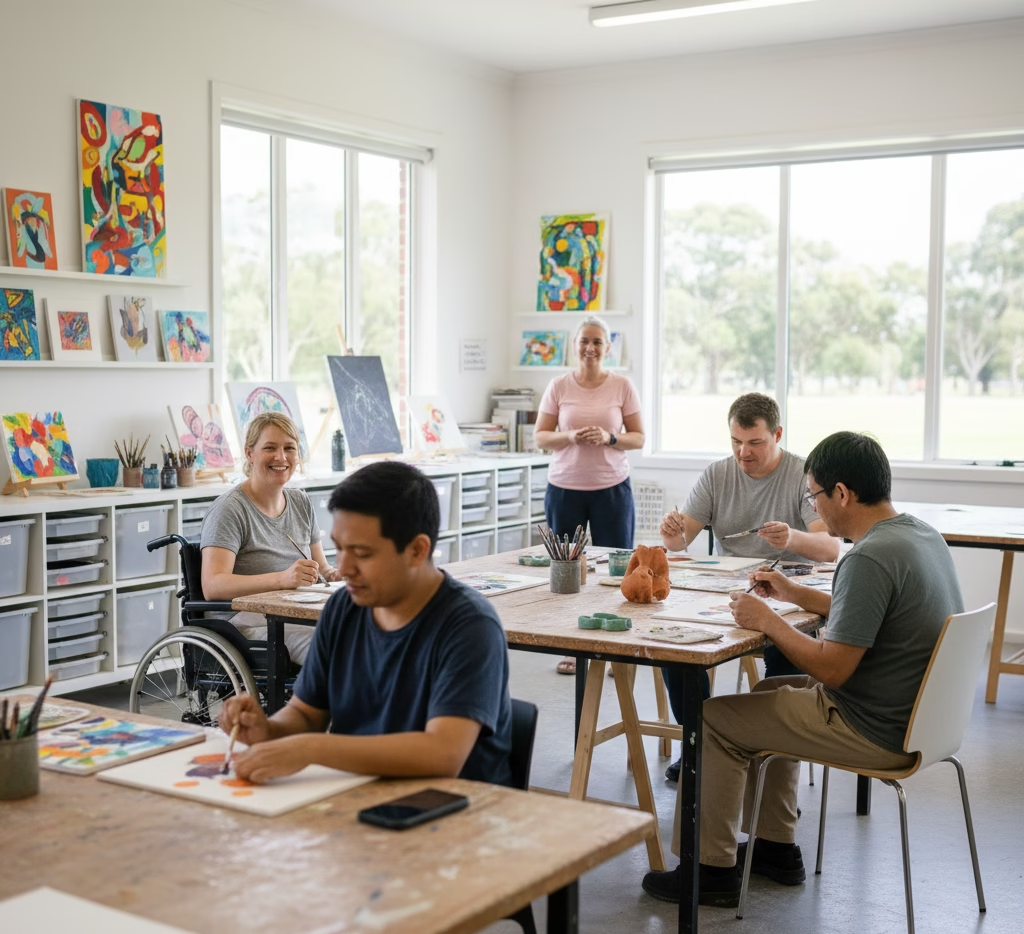
Disability day programs Australia offer structured, meaningful activities that support social connection, skill development, and community participation.
Choosing the right disability day program in Australia can make a significant difference in a participant’s daily life from building social connections and life skills to providing purposeful engagement and community inclusion.
With so many options on offer, it’s important to understand what makes a day program “best” and which programs are known for quality, diversity of support, and outcomes that align with participants’ goals.
In this guide, we’ll explain what to consider, list some of the highly regarded disability day programs in Australia, and share tips on how to evaluate options that match individual needs.
What Is a Disability Day Program in Australia?
A disability day program is a structured support service that helps NDIS participants build skills, connect socially, and participate in activities outside the home. They can include:
- Life skills and community access
- Hobbies and interest groups
- Vocational training
- Arts and recreation
- Social outings
- Health and wellness activities
Day programs are typically funded through the NDIS under Core Supports (e.g., Community Participation, Assistance with Social & Community Participation) or Capacity Building Supports (e.g., Increased Social & Community Participation).
What Makes a Disability Day Program in Australia Top-Rated?
A top-rated program usually demonstrates:
- Person-centred planning: Services tailored to individual goals and interests
- Qualified and consistent support staff
- Clear risk management and safety practices
- Strong community connections
- A variety of activities that build skills and confidence
- Positive participant feedback and long-term outcomes
Not all programs are alike. Some focus on social connection and recreation, while others emphasise skill building or vocational pathways. The “best” program for one participant might not be the best for another alignment with goals and preferences matters most.
Best Disability Day Programs Australia-Wide
Here are well-regarded types and examples of disability day programs available nationally or in key regions. (Note: this is not an exhaustive list, and available programs may vary by NDIS region or provider.)
1. Community Participation Disability Day Programs in Australia
These programs focus on:
- Social inclusion
- Community access
- Recreational activities
- Hobbies and interests
They help participants build confidence, engage in meaningful activities, and develop social skills.
Example activities: Local sport groups, shopping trips, art classes, gardening, music groups.
2. Life Skills Disability Day Programs in Australia
These day programs are designed to support:
- Household skills (cooking, cleaning, budgeting)
- Personal organisation
- Time management
- Public transport training
They suit participants who want greater independence in everyday life.
3. Vocational Disability Day Programs in Australia
For participants interested in work, these programs offer:
- Work task skills
- Job readiness and resume support
- Volunteering exposure
- Structured day routines that resemble work environments
These can be particularly valuable for participants transitioning toward employment goals.
4. Creative Disability Day Programs in Australia
Arts and creativity can be very empowering. These programs offer:
- Painting, drama, music, dance
- Collaborative creative projects
- Exhibitions or performance opportunities
- Art therapy–inspired activities
They help participants express themselves, build confidence, and connect with peers.
5. Sport and Wellbeing Disability Day Programs in Australia
Health-focused day programs include:
- Group fitness or movement classes
- Adapted sports (e.g., wheelchair basketball)
- Yoga or swimming
- Wellness workshops
These programs prioritise physical health, mood, and overall wellbeing.
6. Culturally Inclusive Disability Day Programs in Australia
Australia’s diverse communities benefit from culturally tailored offerings:
- Indigenous community engagement activities
- Language and cultural interest groups
- Programs with cultural sensitivity training
These programs support cultural identity and stronger community belonging.
How to Choose Disability Day Programs in Australia
When evaluating day programs, consider:
Participant Goals
Are they seeking social connection, life skills, employment pathways, or health-focused activities?
Location and Transport
Is the program easily accessible or does it include transport support?
Support Needs
Does the program have staff with the right skills, training, and continuity?
Funding Category
Ensure the referral matches NDIS funding (e.g., Community Participation vs Capacity Building).
Feedback and Reviews
Ask other participants or families about their experiences word-of-mouth and firsthand feedback are powerful.
Many participants combine disability day programs Australia with Support Coordination to better align activities with their NDIS goals.
How NDIS Funding Covers Day Programs
Day programs may be funded through:
- Core Supports – for social and community participation
- Capacity Building – for skill development and independence
Always check your NDIS plan and speak with your Support Coordinator or Local Area Coordinator (LAC) to confirm what category and budget are best matched for your preferred program.
Final Thoughts
The best disability day programs available in Australia are those that align with a participant’s individual goals, interests, abilities, and lifestyle. A program that encourages meaningful participation, builds confidence, and supports growth can be a life-changing experience.
If you are unsure which day program may be right, taking time to review options, speak with providers, and connect with peers can help you make a confident choice.
The NDIS explains how disability day programs Australia are funded through Assistance with Social and Community Participation.
