What Services Do Australian Disability Day Programs Typically Provide?
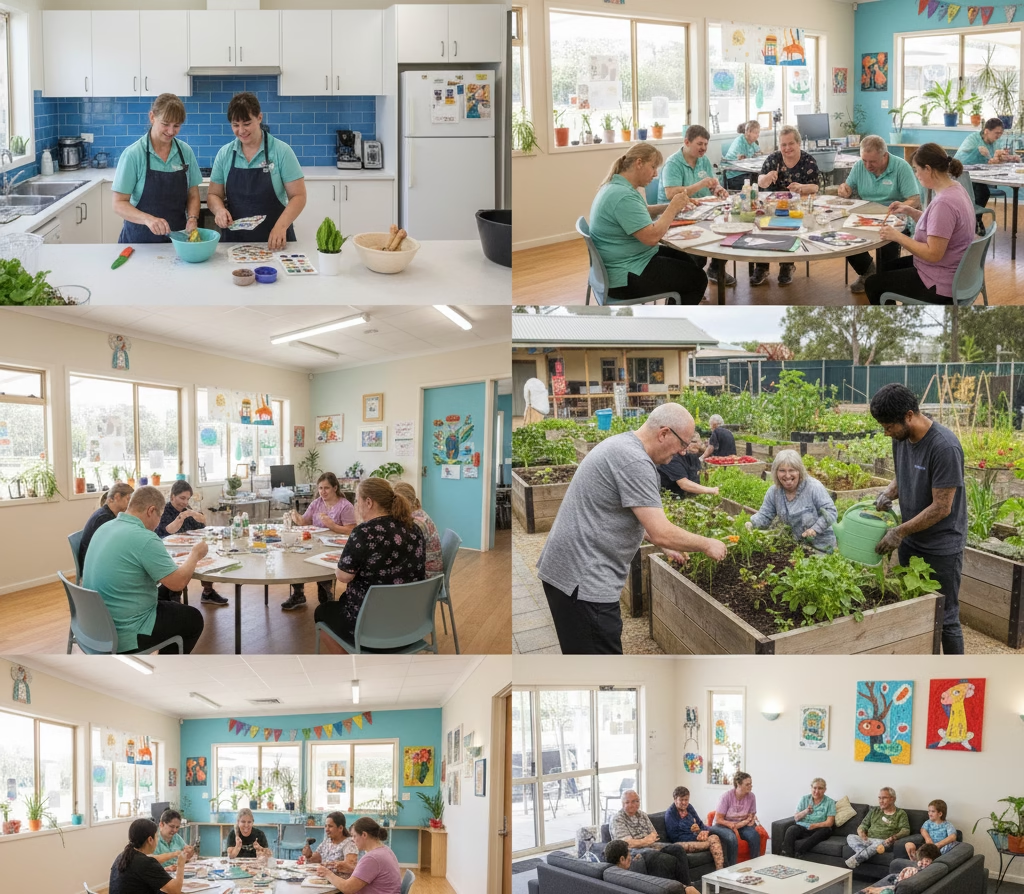
Alternatively, disability day program services in Australia help participants build life skills, social connections, and independence.
Disability day programs in Australia support people with disability to build skills, confidence, and social connections; moreover, these programs are often funded through the NDIS and, as a result, focus on helping participants live more independent and meaningful lives.
While every program is different, most Australian disability day programs offer a similar core set of services; however, this guide explains what you can usually expect, and as a result, it helps you understand your options clearly.
To learn how to choose the right program, you can also read our guide on finding disability day programs near you in Australia.
What Is an Australian Disability Day Program?
A disability day program is a structured service that supports people with disability during the day through activities, learning, and community participation; in addition, it promotes inclusion, and as a result, participants gain more independence and confidence.
Programs usually aim to:
- Build daily living skills
- Support social connection
- Encourage independence
- Improve wellbeing
- Help participants reach NDIS goals
Core Services in Australian Disability Day Programs
Daily Living Skills in Disability Day Program Services
Most programs help participants learn practical life skills, such as:
- Cooking and meal preparation
- Cleaning and home skills
- Personal care routines
- Budgeting and money handling
- Time and routine management
These skills help people become more independent in everyday life; therefore, they play an important role in daily living.
Social Participation in Disability Day Program Services
A big part of day programs is helping people connect with others. Services often include:
- Group activities and games
- Social skills training
- Community outings
- Shopping trips
- Café visits
- Park and beach outings
This helps reduce isolation and build confidence; therefore, it supports better social wellbeing.
Skill Development in Disability Day Program Services
Many programs focus on learning new skills, such as:
- Communication skills
- Technology and computer use
- Art and creativity
- Gardening and outdoor skills
- Fitness and movement
- Life planning skills
Activities are usually adjusted to suit each person’s abilities.
Personalised Disability Day Program Services
Good day programs don’t use a “one-size-fits-all” model. They provide:
- Individual support plans
- One-on-one support if needed
- Small group support
- Flexible routines
- Choice-based activities
Support is matched to each participant’s NDIS goals.
Behaviour Support in Disability Day Program Services
Some participants need extra emotional or behaviour support. Programs may offer:
- Positive behaviour support
- Emotional regulation activities
- Calm spaces
- Trained support workers
- Support with communication challenges
This creates a safe and respectful environment.
Health and Wellbeing Activities
Day programs often support physical and mental wellbeing through:
- Light exercise and movement
- Yoga or stretching
- Walking groups
- Healthy cooking sessions
- Mindfulness and relaxation activities
Wellbeing is just as important as skills training.
Transport Services
Many disability day programs provide transport, including:
- Pick-up and drop-off from home
- Wheelchair-accessible vehicles
- Door-to-door service
- Trained drivers and support staff
Transport helps participants attend programs safely and consistently.
Support for Families and Carers
Programs also work closely with families and carers by:
- Sharing progress updates
- Supporting transitions
- Taking feedback
- Adjusting support as needs change
- Working with support coordinators
Family involvement helps programs work better.
Disability Day Program Services Based on NDIS Goals
Most services are linked to NDIS goals, such as:
- Building independence
- Increasing social participation
- Improving communication
- Developing life skills
- Supporting mental wellbeing
Programs adjust activities based on each person’s plan.
Disability Day Programs at LYFIT
At LYFIT, our disability day programs focus on:
- Life skills
- Community participation
- Social connection
- Confidence building
- Independence
We offer structured activities, personalised support, and safe transport options. We work closely with participants, families, and support coordinators to make sure each program fits the individual.
Final Thoughts
Australian disability day programs usually provide:
- Life skills training
- Social and community activities
- Skill development
- Personalised support
- Behaviour and emotional support
- Health and wellbeing activities
- Transport services
- Family and carer involvement
The right program helps people with disability feel supported, confident, and included in their community.
For official information about supports and funding, you can visit the NDIS website at ndis.gov.au and explore their guidance on community participation services.
