Day Programs for Adults with Intellectual Disability: Benefits Beyond Daily Care
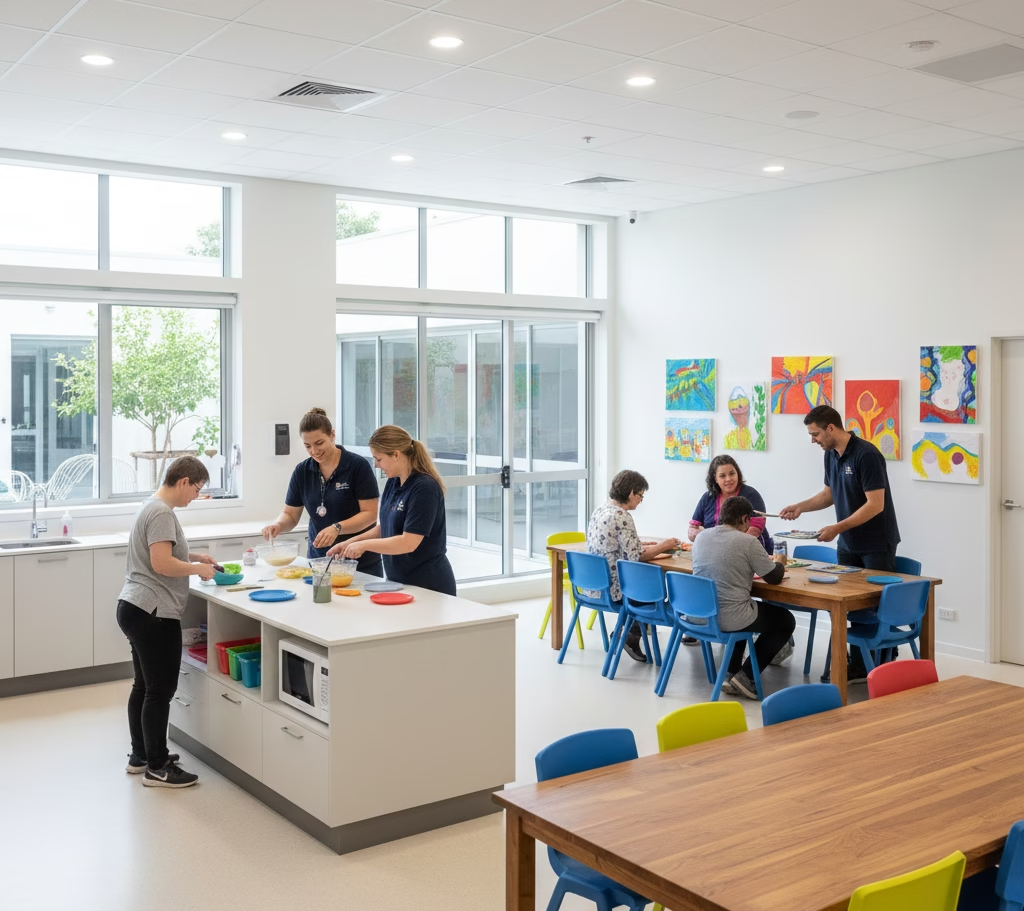
Day programs intellectual disability services provide structured activities that help adults build life skills, social confidence, and greater independence.
When families explore support options for adults with intellectual disability, they often focus on immediate needs such as supervision or structured activities. However, quality day programs offer far more than simple daily care. In fact, the right program can significantly improve confidence, independence, and overall wellbeing.
This guide explains how day programs work, what they include, and why they are an important part of long-term support under the NDIS.
Some participants attending day programs intellectual disability services may also receive Supported Independent Living (SIL) for structured support at home.
What Are Day Programs for Adults with Intellectual Disability?
Day programs are structured, community-based supports designed to help adults with intellectual disability develop life skills, social confidence, and meaningful engagement outside the home.
Unlike passive care environments, well-designed programs focus on participation rather than supervision. In other words, the goal is not simply to “fill the day,” but to create purposeful experiences
How Day Programs for Intellectual Disability Build Life Skills
One of the most important benefits of day programs is skill development. While daily assistance may be necessary, growth happens when participants actively engage in learning.
For example, participants may develop:
- Communication and social interaction skills
- Money handling and budgeting skills
- Cooking and meal preparation skills
- Travel training and community navigation
- Time management and routine-building skills
As a result, participants often gain greater independence both at home and in the community.
Social Benefits of Day Programs for Intellectual Disability
Isolation can significantly impact adults with intellectual disability. Therefore, day programs play a crucial role in promoting social inclusion.
Through group activities, community outings, and shared projects, participants can:
- Form friendships
- Build teamwork skills
- Increase confidence in social settings
- Reduce loneliness
Over time, consistent social engagement improves emotional wellbeing and self-esteem.
Confidence Benefits in Day Programs Intellectual Disability
Beyond practical skills, day programs also support emotional growth. Structured activities provide a sense of achievement, routine, and purpose.
For instance, when participants complete tasks independently or contribute to group projects, they develop confidence in their abilities. Consequently, many families report noticeable improvements in mood and motivation.
What Activities Are Included in Day Programs for Intellectual Disability?
While each provider differs, quality day programs often include:
- Creative activities (art, music, crafts)
- Fitness and wellbeing sessions
- Community outings and excursions
- Skill-building workshops
- Volunteering opportunities
- Group learning activities
Importantly, activities should align with individual goals rather than follow a one-size-fits-all model.
How Day Programs Intellectual Disability Work Under the NDIS
Under the NDIS, day programs are typically funded through Core Supports or Capacity Building Supports, depending on the participant’s goals.
However, funding categories and usage depend on individual plans. Therefore, families should review their plan carefully or seek guidance when choosing services.
The Role of Support Coordination
In many cases, Support Coordination helps families identify appropriate day programs that align with goals, budgets, and support needs.
Support Coordinators can:
- Clarify funding categories
- Compare providers
- Ensure activities match plan goals
- Monitor progress over time
As a result, participants receive structured support that genuinely supports long-term development.
Final Thoughts
Day programs for adults with disability offer far more than supervision. When designed thoughtfully, they promote independence, social inclusion, confidence, and skill development.
Ultimately, the right day program creates opportunities for growth, connection, and meaningful participation in everyday life.
Day programs intellectual disability supports are funded through the NDIS based on individual participant goals and approved plans.
