





Supported Independent Living
Personalised daily living support in a suitable shared-home environment.
No Deposit Bonus Codes 2026: Grab Real Cash in Australia The game is nicelyrendered featuring high-graphical standards and stunning visuals nicelydepicted in jade statues, blossoming trees, golden dragons and other symbolsyou are going to come across on the reels. Online Casino No Verification Withdrawal Australia: 2025 Amid the pervasive suspicions that Trump has had dealings with Russia, CNN is reporting investigators want the details of the person-by-person transactions. Mastercard Casino Guide: Deposits and Withdrawals
LYFIT provides personalised NDIS support across South-West and Western Sydney, including SIL accommodation, in-home support, day programs, community participation, support coordination, respite and behaviour support.
Speak with our support team about NDIS services, referrals and support options.
Participant-focused support from a local team.
Serving South-West and Western Sydney.
Support based on individual goals and choices.
Clear communication with families and referrers.
LYFIT is a responsive Western Sydney NDIS provider delivering Supported Independent Living, in-home support, day programs, community participation, support coordination, high-intensity care, respite and positive behaviour support through one coordinated local team.
Explore LYFIT’s Supported Independent Living and Short-Term Accommodation options. Our team can discuss participant needs, preferred location, support requirements and current availability.
Viewing a vacancy does not confirm placement. Accommodation depends on participant suitability, funding, staffing, property availability and compatibility.
Support coordinators, hospitals, allied health professionals and other authorised referrers can submit participant information for service suitability and availability review.
Referrals may be submitted by participants, authorised representatives and professionals involved in the participant’s support.
Providing clear information helps the LYFIT team assess the requested support and respond more efficiently.
Contact the LYFIT team to discuss service suitability, current capacity or an urgent transition before submitting the referral.
Use the appropriate referral form for sensitive participant information and documents. Referral submission does not automatically confirm service availability.
LYFIT provides personalised NDIS supports across Sydney, helping participants build independence, develop skills and participate in their community.
Individualised daily living support in a safe and supportive shared-home environment.
Learn More →Practical assistance with personal care, household tasks and everyday routines at home.
Learn More →Engaging activities that support social connection, confidence, learning and personal development.
Learn More →Support to attend appointments, enjoy activities and participate more confidently in the community.
Learn More →Guidance to understand your NDIS plan, connect with providers and coordinate suitable supports.
Learn More →Skilled support for participants with complex health, personal care and daily living needs.
Learn More →Short-term accommodation and respite support in a safe, comfortable and welcoming setting.
Learn More →Positive behaviour support focused on wellbeing, quality of life, dignity and individual goals.
Learn More →Our team will guide you through each step and help you understand the available supports, funding requirements and next actions.
You contact LYFIT by phone, email, website enquiry or participant referral form.
Our team contacts the participant, family, carer or referrer to understand the enquiry.
We discuss the participant’s goals, preferences, support needs, risks and preferred service arrangements.
Relevant NDIS funding, service requirements and available support hours are reviewed.
LYFIT identifies suitable services, staff and support arrangements based on the participant’s individual needs.
Once agreements and onboarding are completed, services can begin according to the agreed schedule.
Speak with the LYFIT team or submit a participant referral and we will guide you through the next steps.
LYFIT is a trusted registered NDIS provider in Sydney, supporting participants with compassionate, practical and personalised disability support services.
We work closely with participants, families, carers and support coordinators to deliver services that promote independence, dignity, choice and confidence.
Whether someone needs support at home, community access, SIL accommodation, day programs or support coordination, LYFIT provides reliable assistance tailored to individual goals.
Learn More About LYFIT
Submitting this form helps our team understand your support needs, preferred services and current NDIS situation before we contact you.
Whether you are looking for daily living support, community participation, SIL accommodation, day programs or support coordination, LYFIT can guide you through the next steps.
LYFIT offers a comprehensive range of NDIS supports designed to help participants live with greater independence, confidence and community connection.

Support to manage important life changes including education, employment, housing and new living arrangements.

Daily assistance with hygiene, mobility, eating, routines and personal care needs.
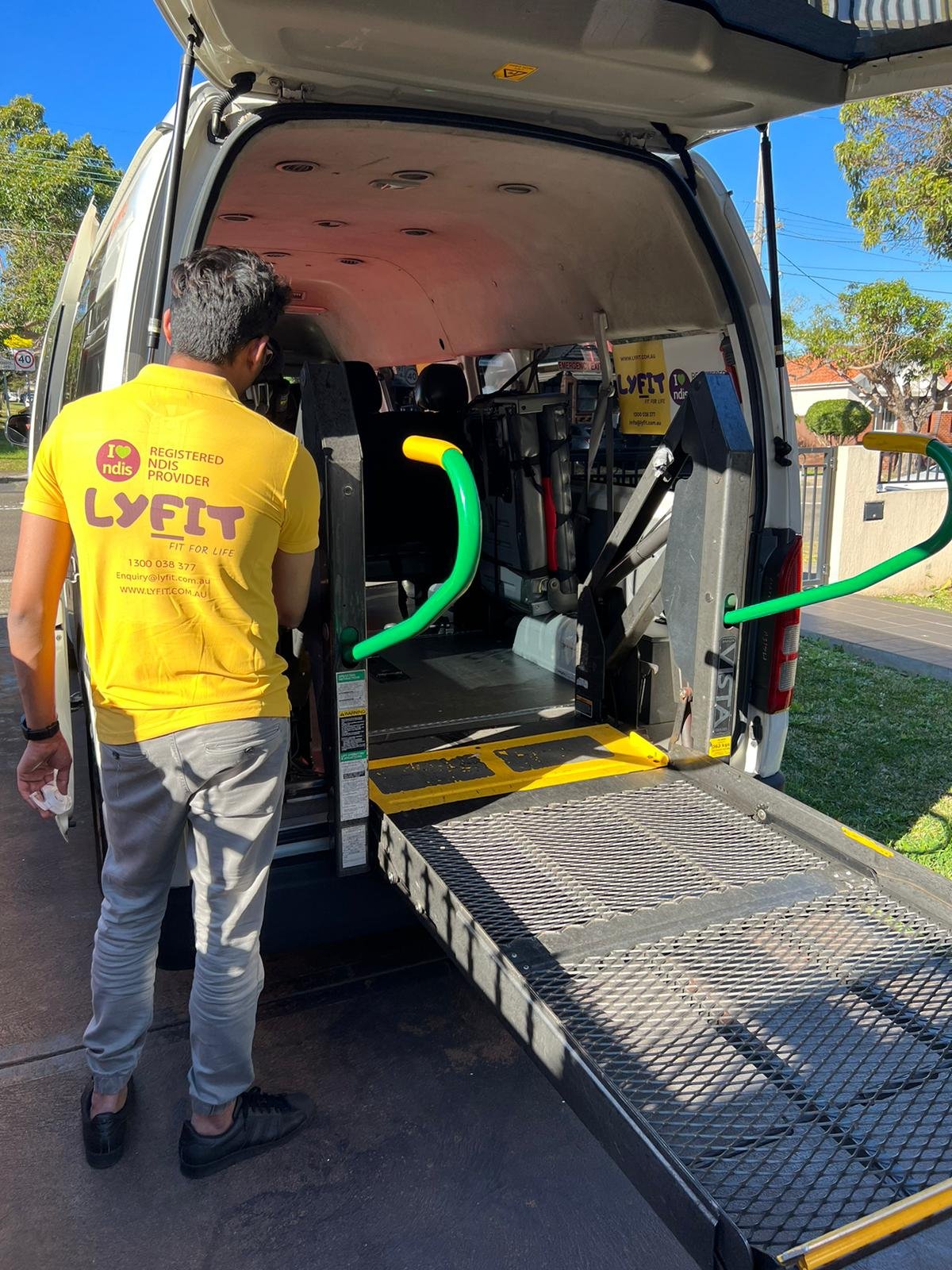
Safe transport support for appointments, community activities, education and daily travel needs.

Support to improve accessibility, mobility and safety at home through practical modifications.

Support with equipment and technology that improves daily living, safety and independence.

Help with household routines, shared living tasks and daily support for greater independence.

Programs that support social inclusion, confidence and meaningful participation in community life.

Support to build everyday skills including communication, decision-making and independence.

Early intervention support for children to encourage development, learning and family participation.
Help with cleaning, laundry, meal preparation and household tasks to maintain a safe home.

Support to access communication tools and equipment that help participants connect and engage.

Therapeutic services designed to improve wellbeing, daily functioning and independence.

Support to build skills, prepare for work and improve confidence in employment pathways.
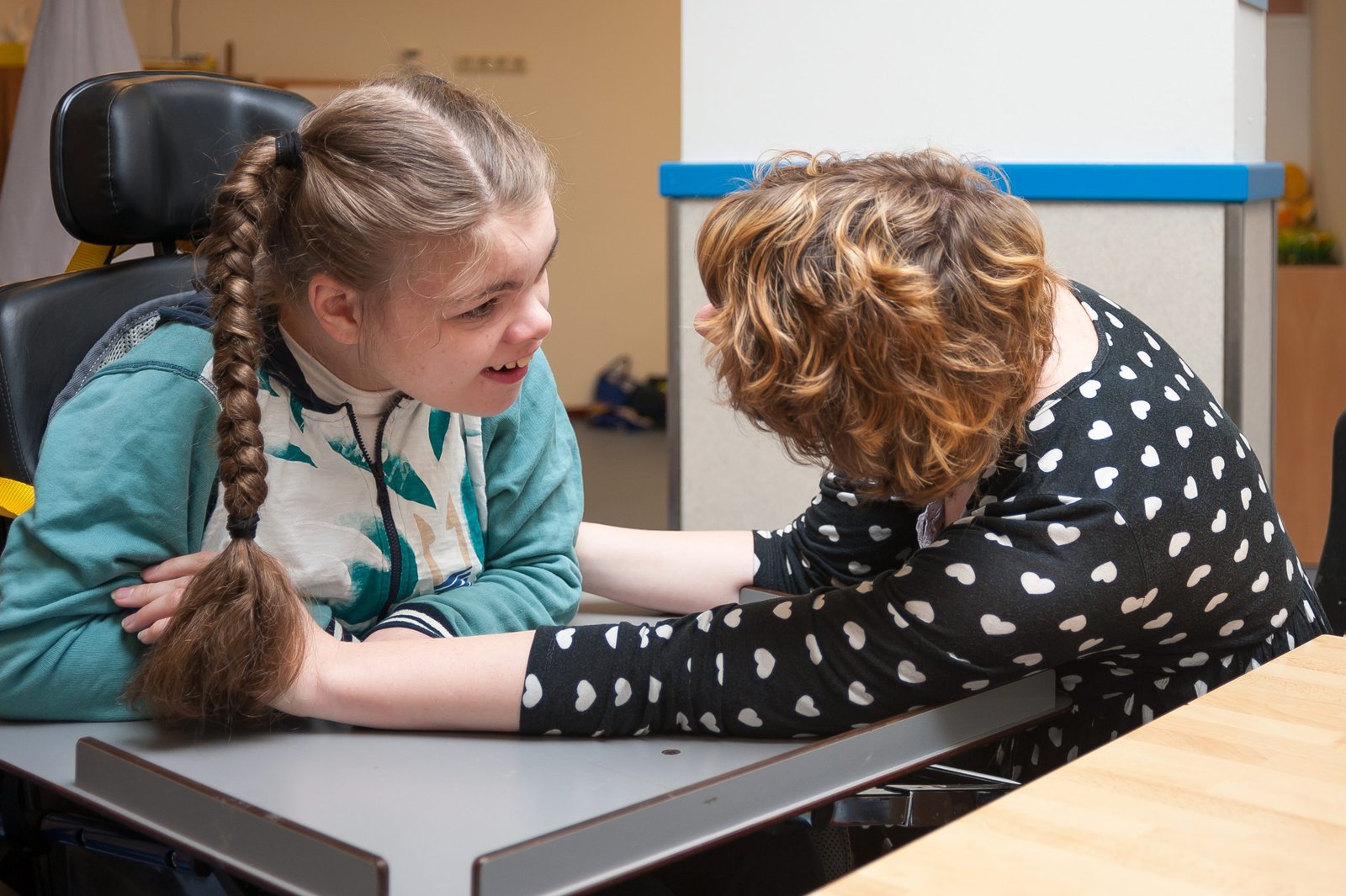
Guidance to connect with services, manage supports and work towards participant goals.
LYFIT’s Day Program supports participants to develop independence, practise everyday skills, connect with others and enjoy meaningful activities based on their interests and NDIS goals.
Replace the operating-hours text with LYFIT’s exact confirmed days and hours before publishing specific times.
We deliver participant-focused supports designed around individual needs, goals, wellbeing and long-term independence.
Professional NDIS services tailored to participant goals and support needs.
Respectful support workers focused on dignity, independence and wellbeing.
Safe and flexible SIL supports that encourage confidence and daily living skills.
Every participant receives support aligned with their personal routines and goals.
Choose the pathway that best matches your role. Our team will review the referral and contact you to discuss the participant’s support needs.
Participants, family members and carers can submit a referral for support services, accommodation enquiries or general assistance.
Make a ReferralSupport coordinators can refer participants and provide relevant plan, funding and support information for service suitability.
Submit a Participant ReferralHospitals, allied health professionals and clinical teams can refer participants and share relevant discharge or support information.
Submit a Professional ReferralSpeak with the LYFIT team about service suitability, current availability or the information required for a referral.
Our referral process helps participants, families and professionals share the right information and understand the next steps.
Contact LYFIT or complete the referral form with the participant’s details and the type of support being requested.
We discuss goals, routines, preferences, communication needs, location, schedule and current support requirements.
LYFIT reviews the requested service, relevant documentation, NDIS funding and current team capacity.
Once arrangements are agreed, the team confirms the service booking, support schedule and planned commencement date.
Submit a referral or contact the LYFIT team to discuss the participant’s goals and current support requirements.
Service commencement depends on participant needs, funding, suitability, location, documentation and current LYFIT capacity.
We focus on respectful communication, participant choice and support arrangements built around individual goals, routines and preferences.
A Sydney-based team that communicates clearly and responds to participant, family and referrer enquiries.
Support is planned around the participant’s choices, routines, communication needs and personal goals.
Participants, families and authorised representatives are kept informed about support arrangements and important changes.
LYFIT reviews each enquiry individually to discuss suitable services, schedules and support arrangements.
Support planning considers participant dignity, privacy, wellbeing, risk requirements and individual preferences.
Participants, families and professionals can submit one referral and discuss the most suitable next steps with the LYFIT team.
Explore LYFIT’s verified credentials or submit a referral so the team can review the participant’s goals and support requirements.
LYFIT is committed to transparent service information, participant safeguarding, responsible workforce practices and high-quality NDIS support.
View LYFIT’s legal entity, business details, registration information and approved service information.
Our workforce processes include identity checks, required screening, qualifications, induction and role-specific training.
Supports are guided by dignity, choice, privacy, inclusion, safety and respect for participant rights.
Our quality systems support incident management, complaints, continuous improvement and accountable service delivery.
Review our registration information, safeguarding approach, worker requirements, complaints process and service-quality commitments.
Explore LYFIT’s local NDIS support services and connect with our team in your area.
Personalised NDIS services for participants and families in Bankstown and nearby suburbs.
View Bankstown Services →Local disability supports focused on independence, wellbeing and community participation.
View Punchbowl Services →Participant-focused NDIS supports for individuals and families throughout Liverpool.
View Liverpool Services →Flexible NDIS supports designed around individual goals, routines and support needs.
View Parramatta Services →Reliable disability support services for participants across Blacktown and surrounding areas.
View Blacktown Services →NDIS supports helping participants build confidence, skills and greater independence.
View Penrith Services →LYFIT offers a wide range of disability support services across Sydney.
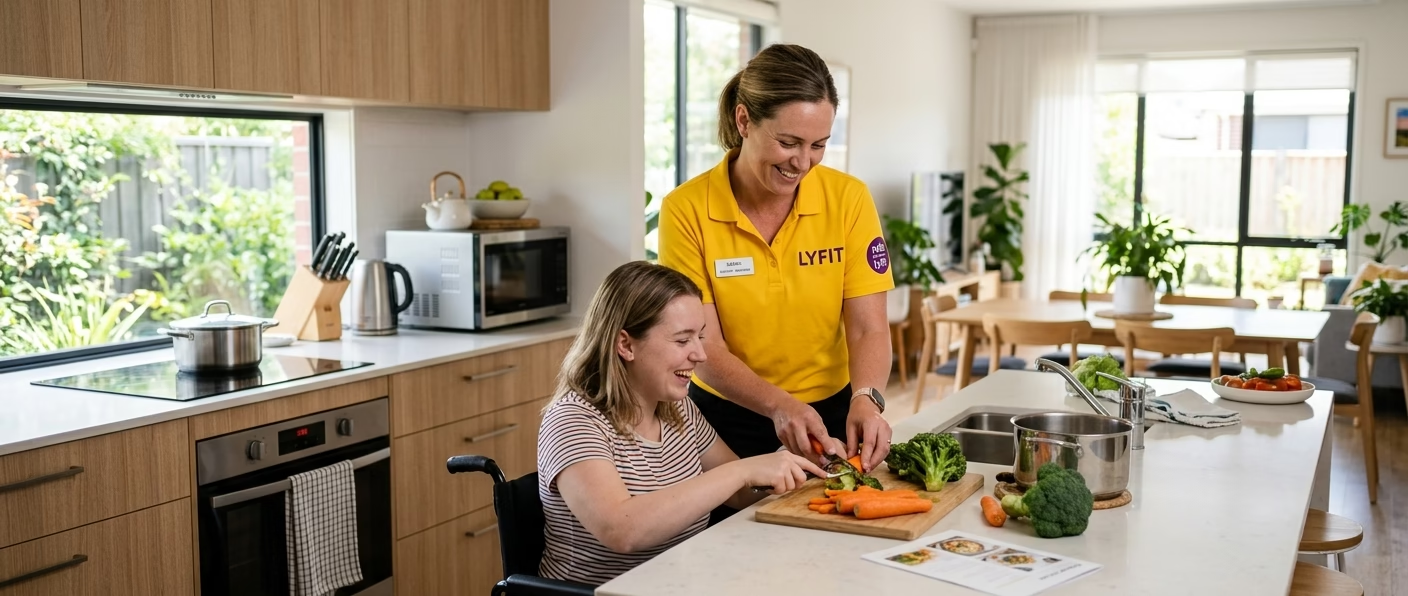
Personal care, routines, hygiene, meal support and everyday assistance.

Helping participants build social confidence and access meaningful activities.
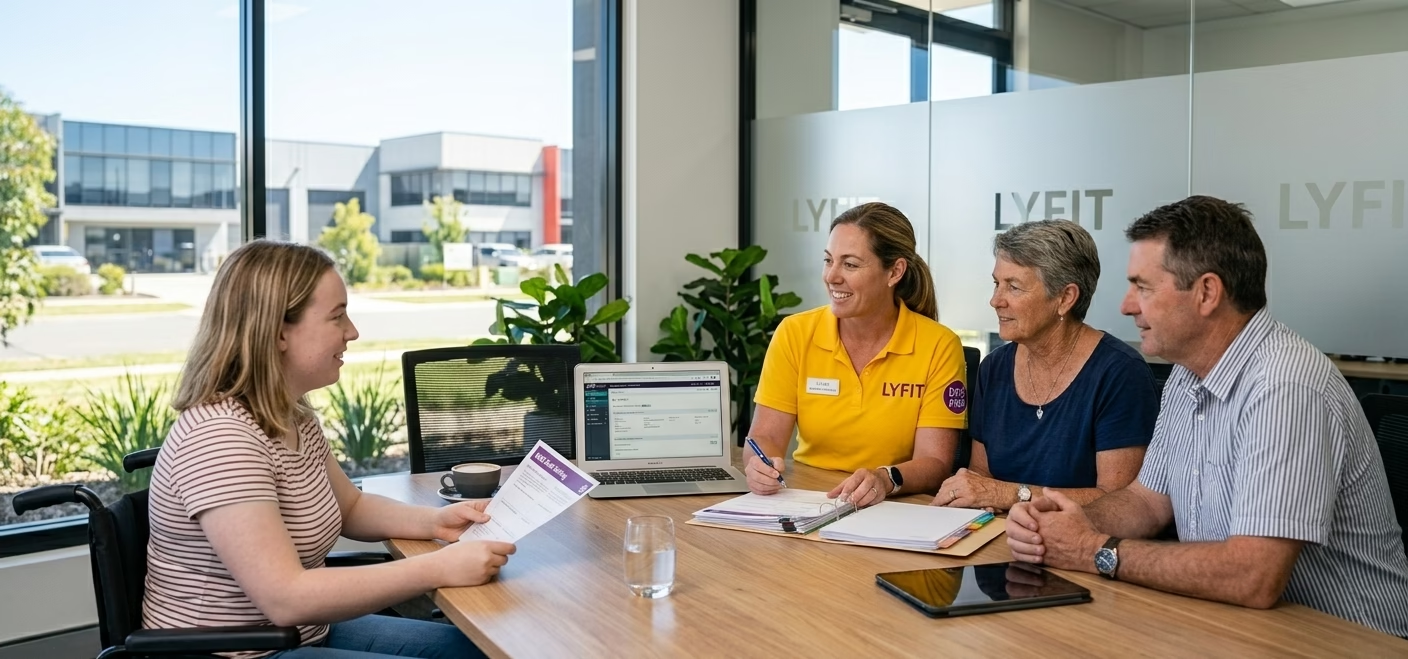
Guidance to understand NDIS plans, connect with providers and manage supports.
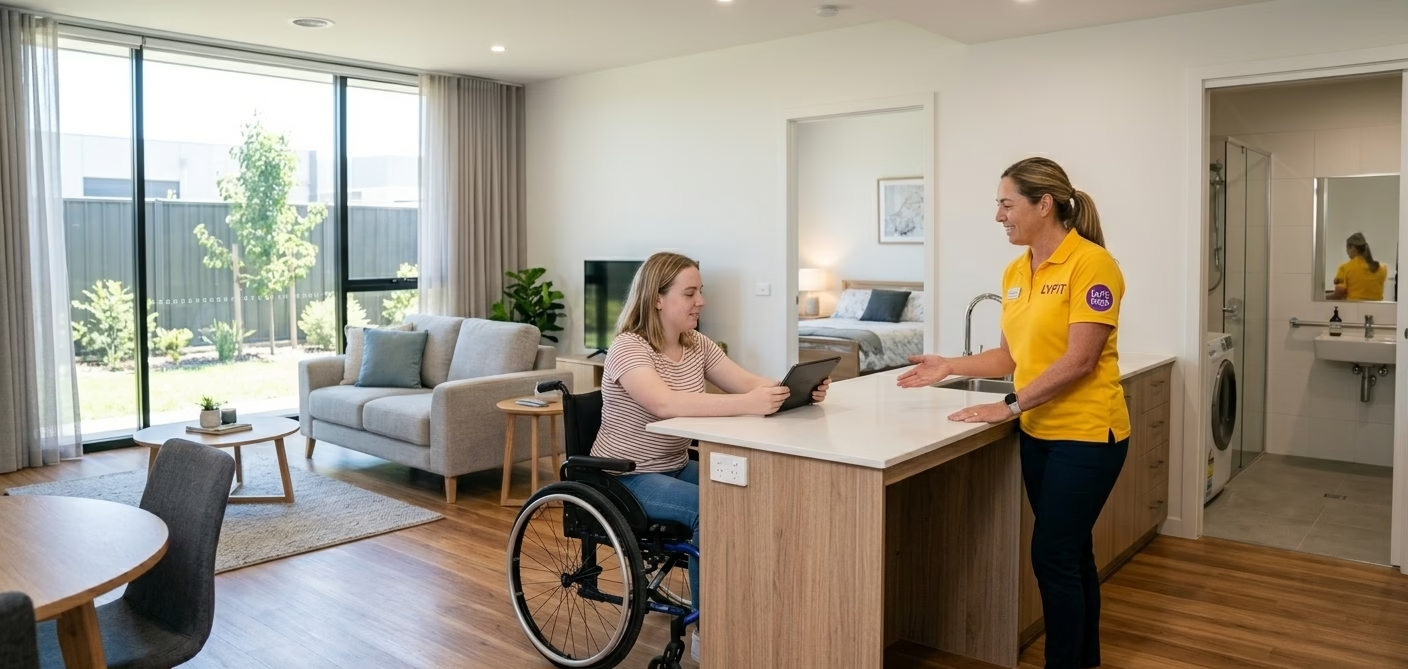
Supported living options that promote safety, comfort and independence.
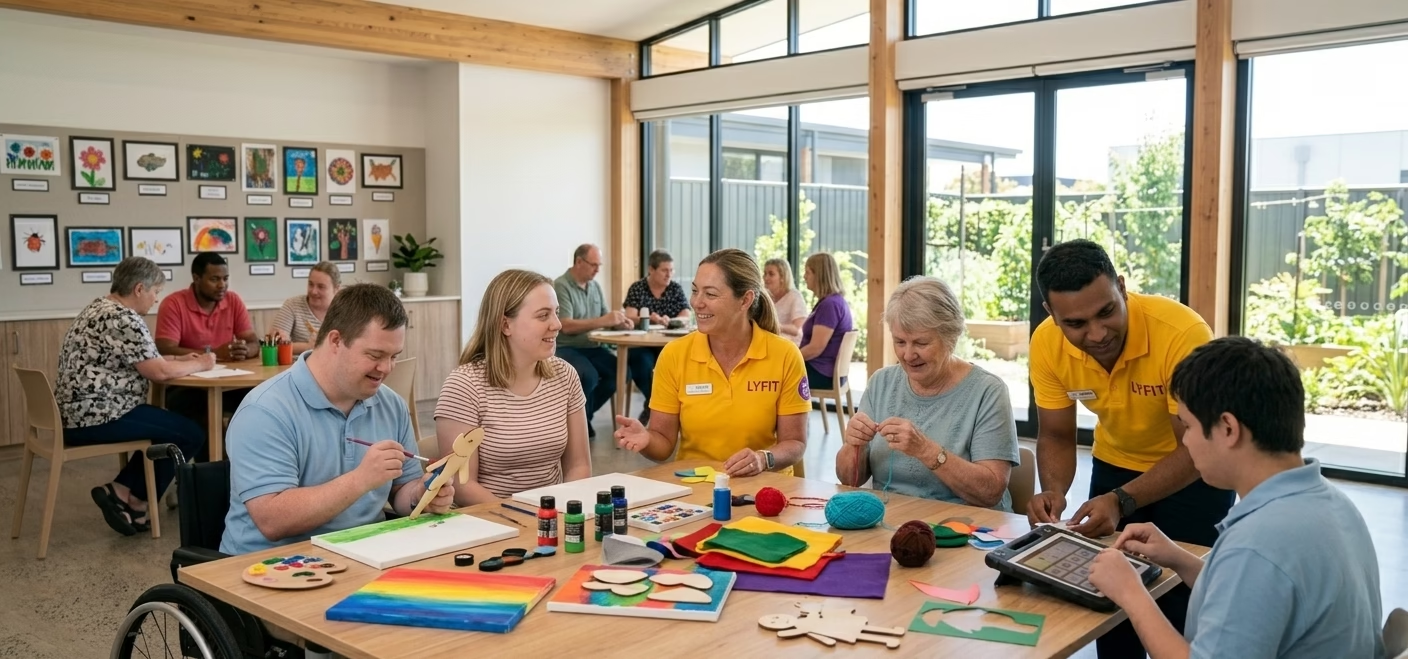
Structured activities that support skills, social connection and confidence.
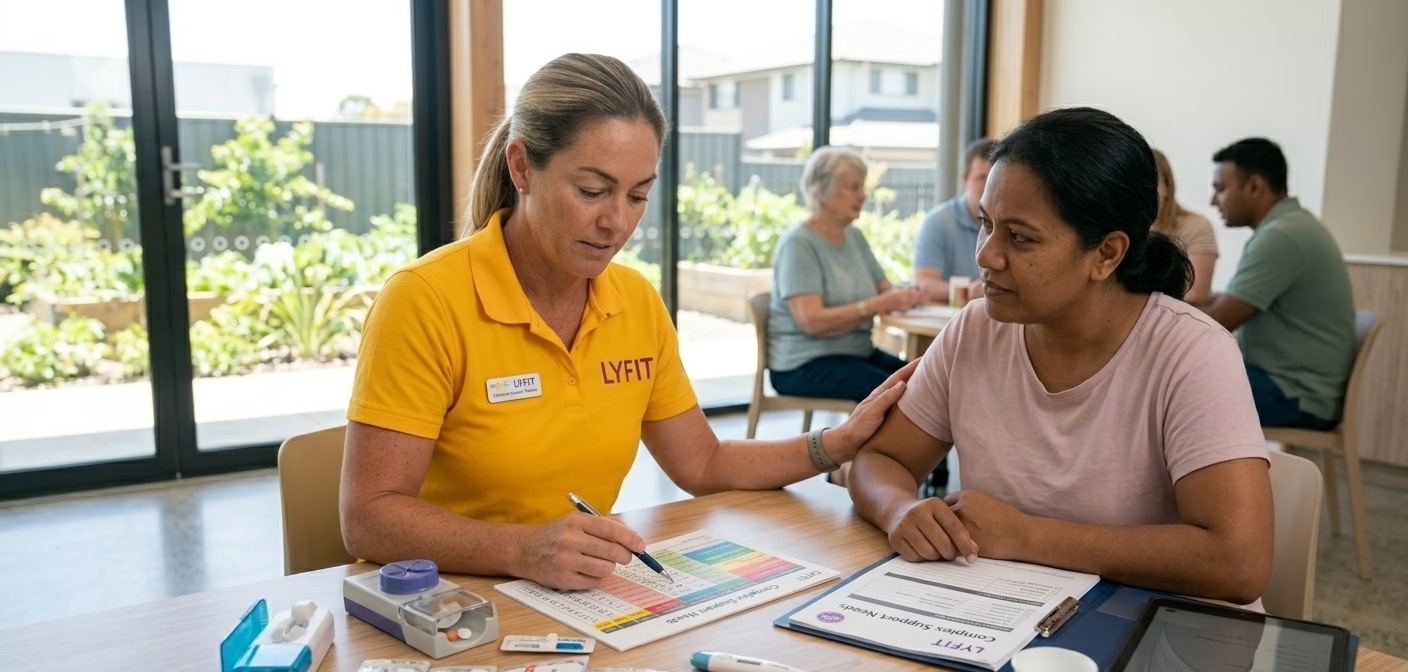
Support for complex care needs delivered with safety and professionalism.

LYFIT provides transparent NDIS pricing based on approved supports and current NDIS guidelines. We aim to keep services clear, practical and easy to understand.
Participants can request a quote through our website, by phone or by email. Our team will explain service options and help ensure supports match individual needs and funding.
Request a QuoteHelpful guides for participants, families and support coordinators.
LYFIT provides reliable, person-centred NDIS support across Sydney, helping participants access quality care, community support and personalised services with confidence.
Delivering trusted disability support services with care, dignity and professionalism.
Participants, families and referrals supported through our growing NDIS service network.
Experienced support workers helping participants with daily living and community access.
Providing NDIS supports across Sydney and surrounding local communities.
Read genuine public feedback from people who have shared their experience with LYFIT and our disability support services.
“I have been there for one year now and it is the best place to be. Friendly staff, best management and good participants as well. I will always recommend LYFIT.”
“The trustable care service organisation. Highly recommended. Even they provide online services too.”
“We are very satisfied with the supports provided. The provider is professional and reliable, and meets our NDIS goals effectively. The staff are supportive, respectful, and provide high-quality support.”
“Professional in their approach. The staff are respectful, responsive, and genuinely focused on participant needs…”
“Both Harshib and Ferozeleen are outstanding at their job. Very person-centric approach, and they are exemplary with their services.”
“Excellent and professional service provider. I highly recommend to parents and organisations.”
Reviews are reproduced from publicly available Google feedback. Punctuation and spacing may be lightly formatted for readability without changing the meaning.
Find quick answers about LYFIT’s services, referrals, funding, service areas and accommodation availability.
LYFIT provides Supported Independent Living, in-home support, day programs, community participation, support coordination, high-intensity support, respite and STA, and behaviour support. View our NDIS services.
Referrals may be submitted by participants, family members, carers, support coordinators, hospitals, allied health professionals and other authorised representatives. Use our participant referral form.
The participant generally needs suitable funding for the requested NDIS service. LYFIT will review the relevant support needs, funding and service requirements during the enquiry and onboarding process.
LYFIT supports participants across Western and South-West Sydney, including Bankstown, Punchbowl, Liverpool, Parramatta, Blacktown, Penrith and surrounding suburbs. Explore our service areas.
Start times depend on the requested service, participant needs, staffing availability, assessments, funding and completion of the required onboarding documents. Our team will explain the expected timeframe after reviewing the referral.
SIL and STA availability may change regularly. Visit our SIL and STA vacancies page or contact LYFIT for current verified availability.
Our team will discuss the participant’s goals, preferences, support needs and funding. We will then assess service suitability, discuss available staff or supports and explain the next onboarding steps.
LYFIT works with participants, families and professionals to help coordinate suitable NDIS supports around individual goals, preferences and daily living needs.
Personalised support focused on independence, choice, wellbeing and meaningful participation.
Clear information and collaborative support for families helping a loved one navigate services.
Practical communication and coordinated services that recognise the important role of carers.
A clear referral pathway and timely communication about service suitability and availability.
Collaborative communication with allied health, hospital and clinical teams involved in participant support.
Contact the LYFIT team to discuss the participant’s needs or submit a referral through our online form.
We value your feedback and would love to hear about your experience with our NDIS support services. Your review helps us improve and supports other participants looking for trusted care.
